What are the 8 tree styles of planners all about?
The 8 tree styles that we use here at Build Your Planner are based on years of observing how people typically prefer their planner to look. They are based on 3 separations – the simplicity of the page, the use of decoration and the use of structured bordered writing areas or free space.
Many people when talking about planner types consider only functions of planners like this article. It is different from what you see there, these are styles of planners based on how people’s brains work. Let’s deep dive..
the elements of the tree styles
- THE SIMPLICITY OF THE PAGE.
We can say that some lean towards a minimal appearance, and some lean towards an expansive look.
- THE USE OF DECORATION.
With this selection we can observe some have a desire for the practical and functional look, while some prefer a creative vibe.
- THE NEED FOR STRUCTURE.
In my observation, some like the pen to roam, lots of free, open writing area. Some however like the organized structure of a box with a border.
In summary – choosing between these 3 selections we end up with 8 different styles of planners.
The 8 tree style collection
So we have seen that each style is going to have 3 separate elements. Let’s say for example someone prefers – minimal, creative and open. So now what do we call that?
That is where the trees come in!
With each of the 8 styles we have got a separate tree name.
Shall we go through them one by one!
THE WILLOW – THE FREE SPIRIT
[MINIMAL | PRACTICAL | OPEN]
We call the user of the willow a free spirit because they are the one that has the most minimal planner style therefore they bring all of themselves to the page – they make the planner with their own musings, their pen wanderings.
They are usually someone who the conventional planners don’t suit. They just want to use their planner to take what is in their mind down onto paper – without rules.
Daily planner example:
THE BIRCH – THE ORGANIZER
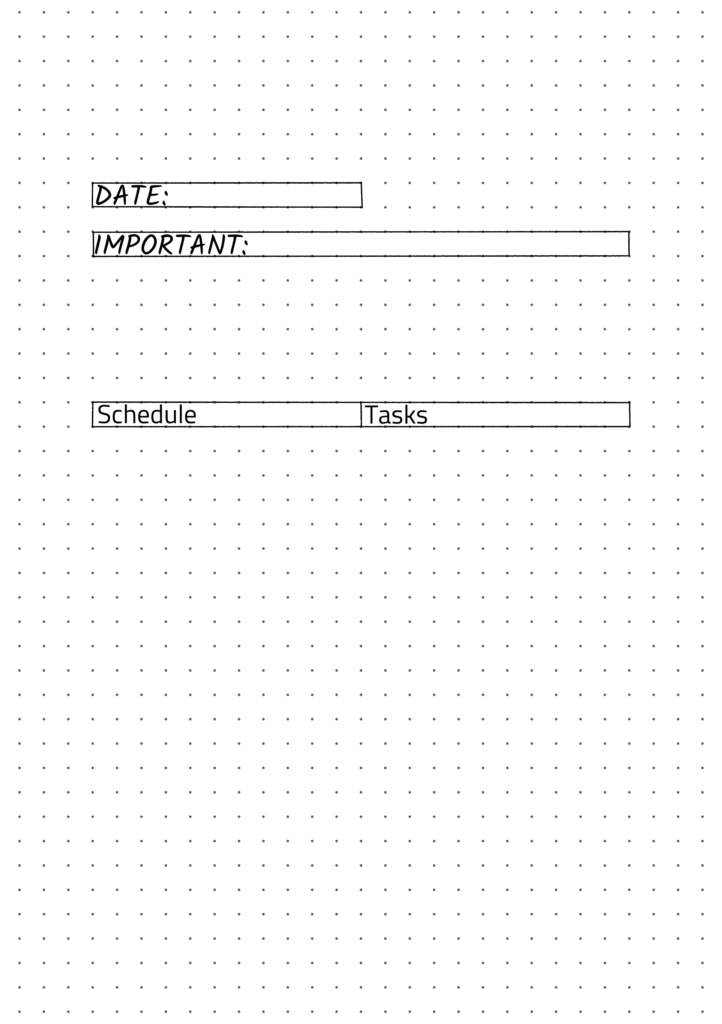
[MINIMAL | PRACTICAL | STRUCTURED]
We call the user of the birch an organizer because they come to their planner for one reason – to plan, organizer and get a job done. They don’t need all the trimmings, just simple – lists, events, goals, down on paper – organized.
They are usually someone who is organized within themselves anyway. Quite purposeful, practical minded. Just using their planner as a means to an end.
Daily planner example:
THE OAK – THE CREATIVE
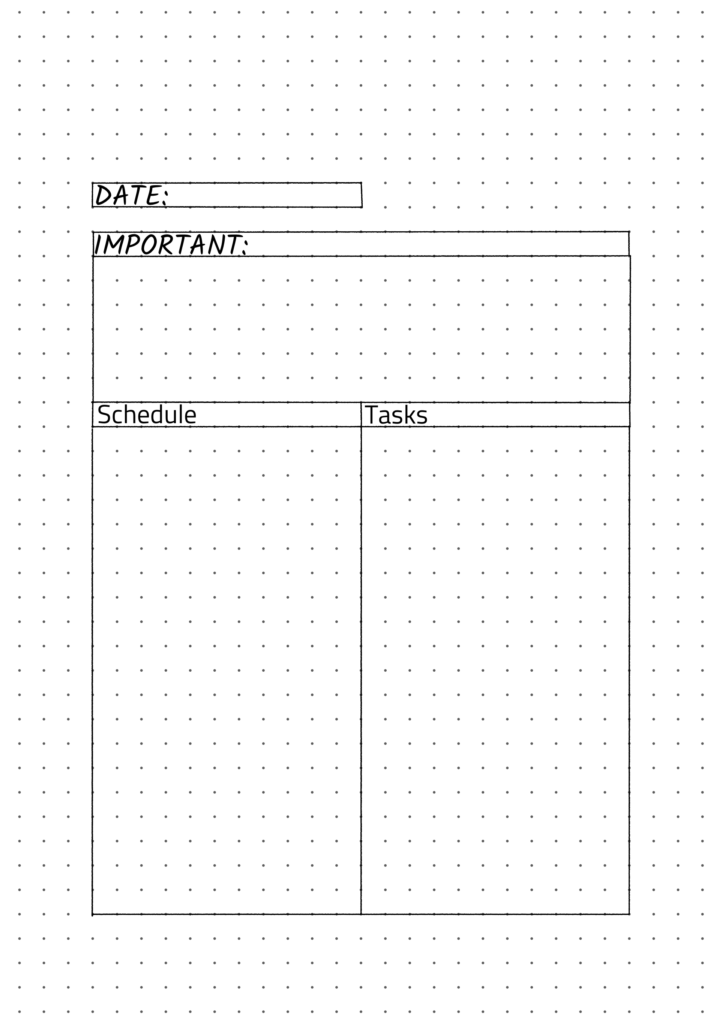
[MINIMAL | CREATIVE | OPEN]
We call the user of the oak tree style a creative because the aesthetic means a lot to this person. They have an elegant, intentional creativity – it is refined and just enough. Their planner use reflects these qualities perfectly.
They are usually someone who has a chic style, a beautifully curated home and gives me the vibe of Audrey Hepburn – and they expect their planner to be nothing less than this either.
Daily planner example:
THE MAPLE – THE NAVIGATOR
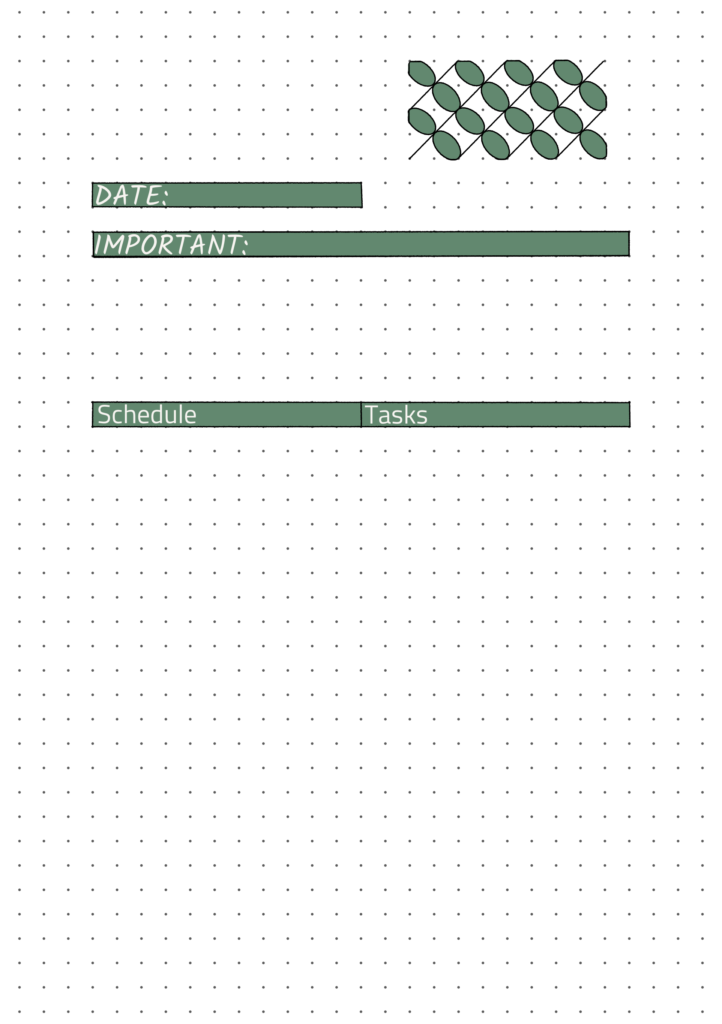
[MINIMAL | CREATIVE | STRUCTURED]
We call the user of the maple a navigator because they are making their way successfully and visually seeing where they are and where they are going.
They are usually someone who is the home maker, has all the necessary information at her fingertips, the kind of person we all wonder – how do they do it. They do and with grace.
Daily planner example:
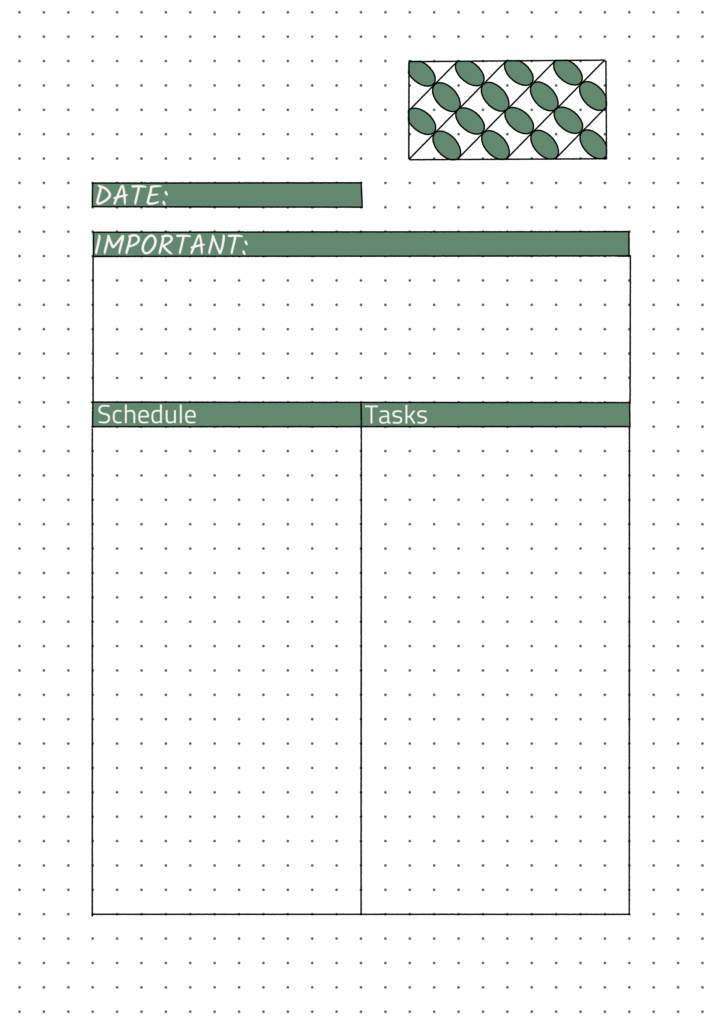
THE ASH – THE SEEKER
[EXPANSIVE | PRACTICAL | OPEN]
We call the user of the ash a seeker because they are desirous of a life of freedom, but they also know they need some prompting and guidance to get the things done.
They are usually someone who could be easily distracted, not necessarily with pretty things, but just with lots of things – going from one busy responsibility to the next, possibly not allowing time for herself.
Daily planner example:
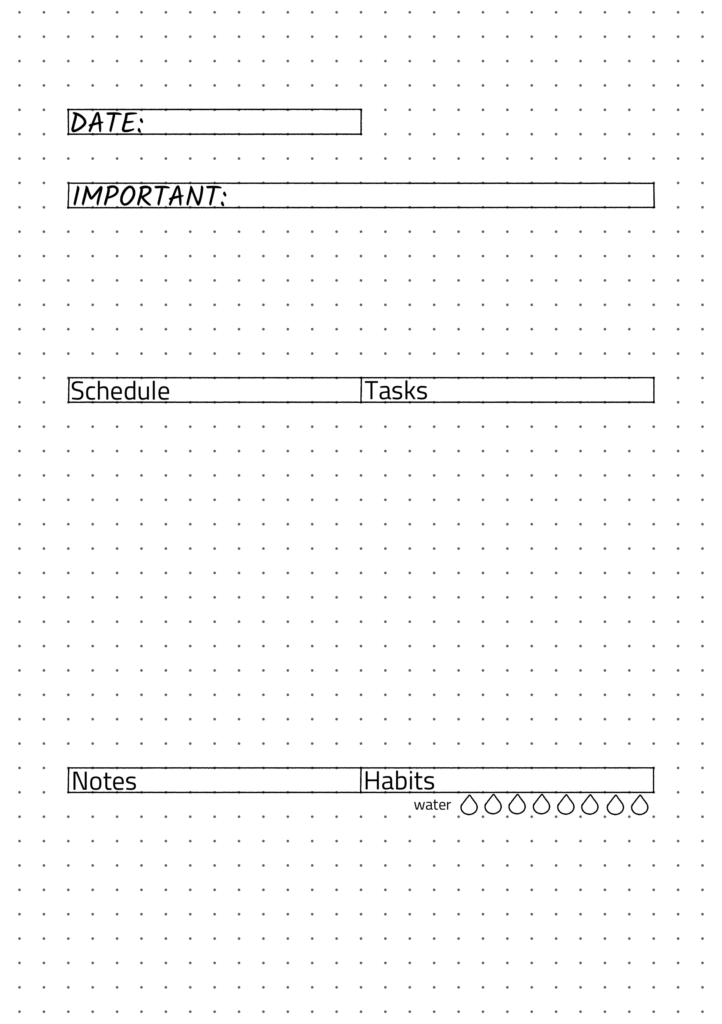
THE ROWAN – THE STRATEGIST
[EXPANSIVE | PRACTICAL | STRUCTURED]
We call the user of the rowan a strategist because they are all about the next move. They have lists of lists and plans of plans. They want every minute to be productive.
They are usually someone who time blocks, wants order in everything and could very easily fit into the roles of being project manager, or CEO.
Daily planner example:
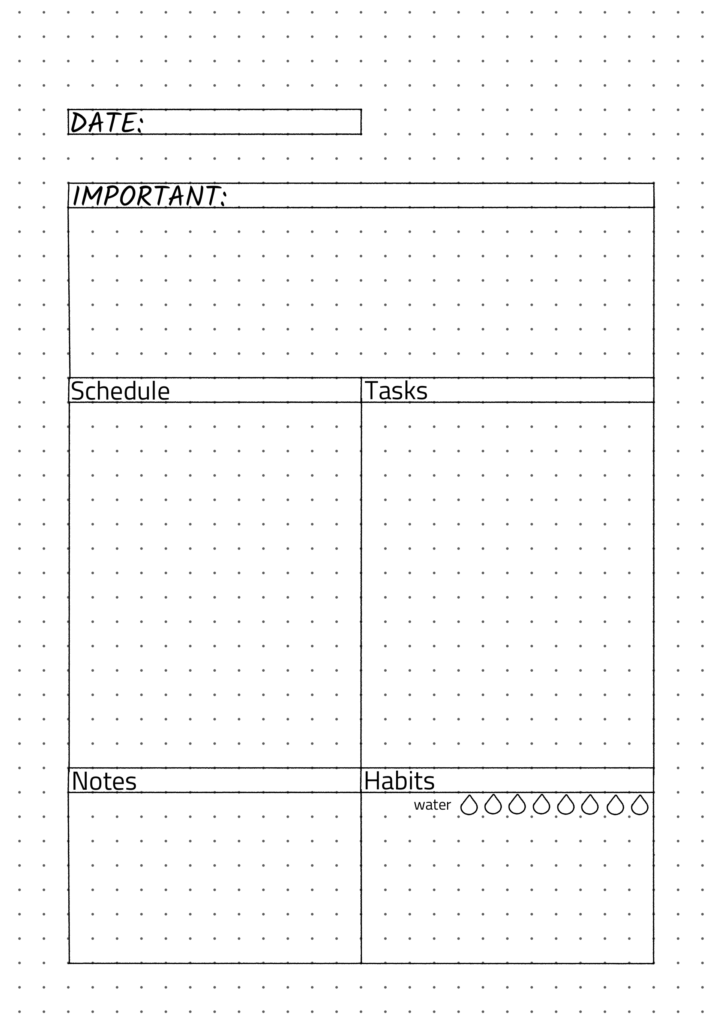
THE CHESTNUT – THE EXPLORER
[EXPANSIVE | CREATIVE | OPEN]
We call the user of the chestnut an explorer because they are the ones who just see beauty in it all. They want all the plans and the aesthetics, and everything in between.
They are usually someone who likes to doodle when they are bored, but they also happen to have so many different roles and responsibilities, and they need to keep all of that somewhere.
Daily planner example:
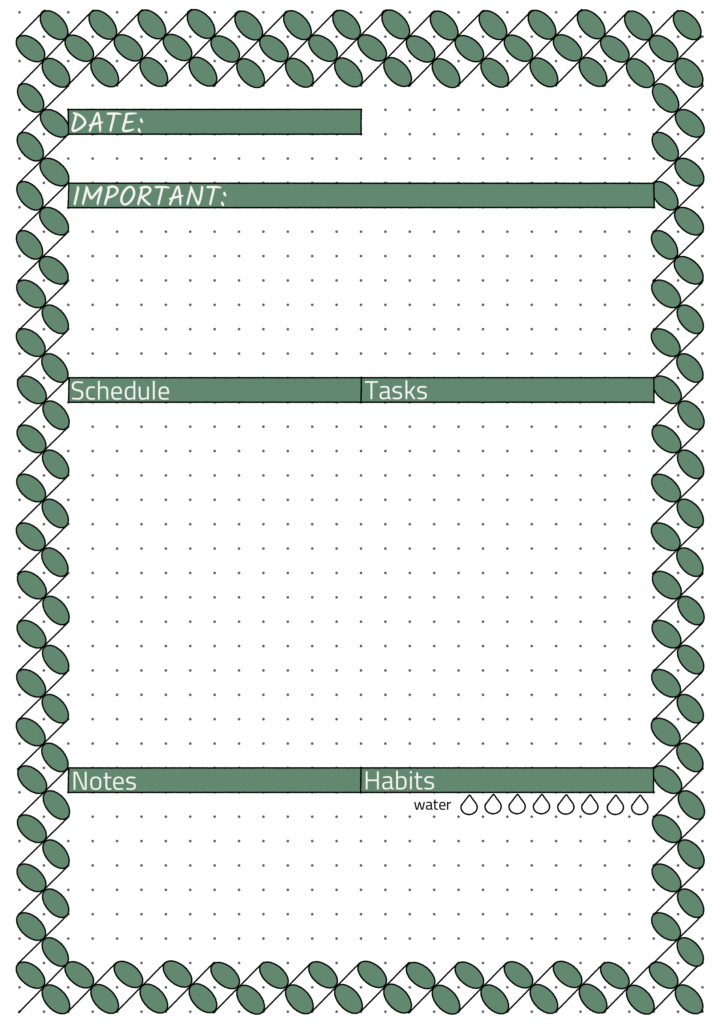
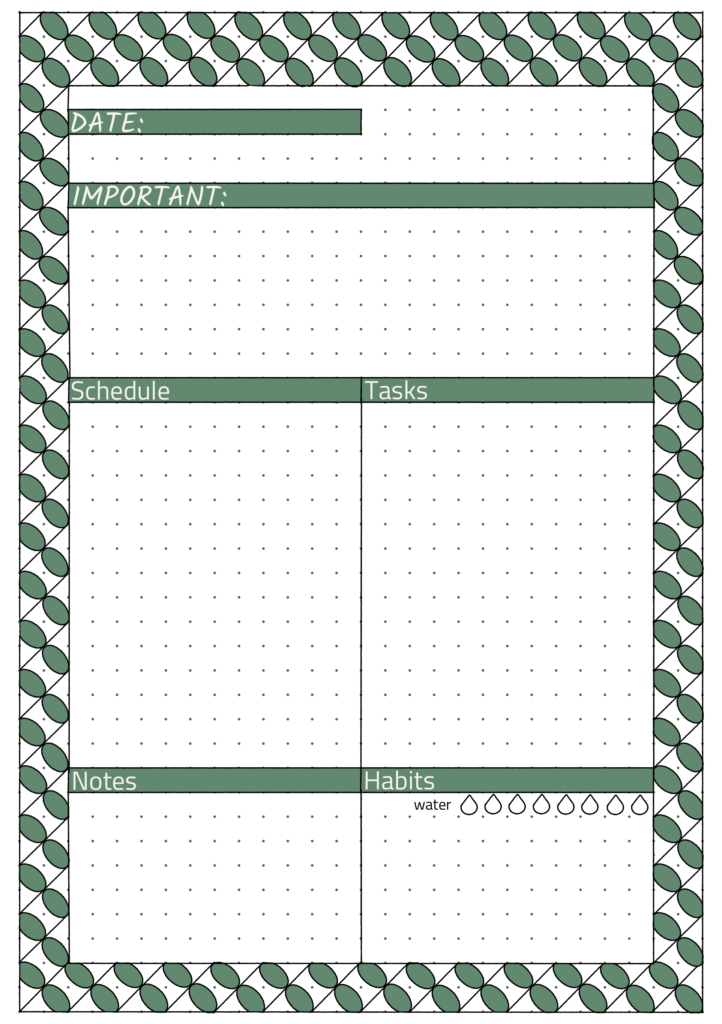
THE SYCAMORE – THE MASTER
[EXPANSIVE | CREATIVE | STRUCTURED]
We call the user of the sycamore tree style a master because they are like a boss of themselves. They know what they like and they have it all sorted, and by all – every single detail.
They are usually someone who color codes their wardrobe, hosts dinner parties for 20 people or more with ease and also has free time planned for nature walks and journaling. Yes they do indeed plan their free time.
Daily planner example:
Questions about the tree styles
How did the tree styles come about?
They were born from observing many people plan in real life. Through seeing people with their own planners it became obvious that there were different brain types at play. I [Kim – the founder] did coaching for many years and helped many people with their organization and time management, and I learned a lot from seeing in real life how people’s brains work with a planner. I recognized patterns and drew up a way to help match the right planner style to the right person.
Is there a specific style for neurodivergent people?
I would say the tree styles are not specific for neurodivergent people but more the type of planning systems that they use. For example I have made custom planning systems for a family with ADHD members and I used a lot of visual and flexible systems for them.
How do I find out which of the tree styles I am?
Great question. I have made it easy for you, you can now move on this quiz to see which of the tree styles your are. Click the link below..
IN conclusion..
Hopefully you have been able to see which of the tree styles match your brain and aesthetic for planning.
if yes we are on to the next stage..
Go to STEP 2
Thank you for learning about the tree styles planner types today.